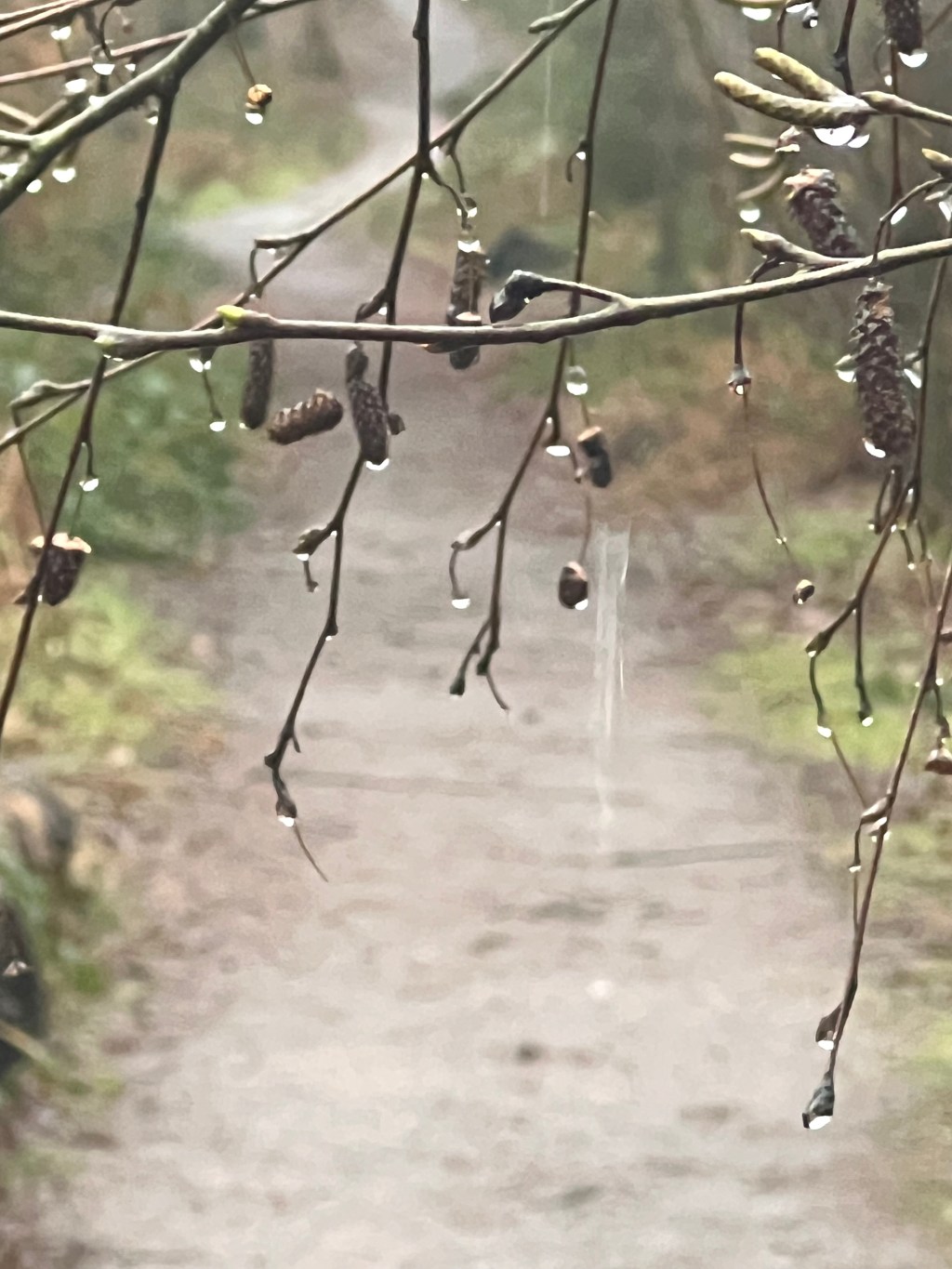
Attentive Wondering
Attentive wondering is a way of paying attention that allows the world to remain alive.
It is neither effortful focus nor drifting thought, but a relational mode of attention – one that stays with what is present long enough for curiosity to deepen rather than scatter.
In attentive wondering, attention is offered outwardly: to land, body, weather, other lives. Meaning is not extracted or pursued. It is allowed to emerge.
This quality of attention cannot be optimised or forced. It resists haste and abstraction. It remains receptive to difference, complexity, and the presence of what is other than ourselves.
When attention is given in this way, care arises naturally – not as duty, but as response.
Attentive wondering shapes how we walk, listen, read, and meet one another. It is less a technique to be applied than a stance to be returned to, again and again, whenever attention has become hurried, narrow, or owned.
Essays and practices in attentive wondering appear throughout Nature Speaks.
A way of walking
Begin walking without deciding where you are going to end.
Let the body find its own pace – usually slower than expected.
Allow attention to rest outwardly:
on light, sound, texture, movement, weather.
Not hunting for meaning. Not naming.
When thought pulls attention inward, notice this without correction.
Gently allow attention to return to what is already here.
If curiosity arises, stay with it.
If nothing arises, stay anyway.
There is no outcome to look for.
The practice is simply to offer attention – and to see what, if anything, answers back.
 Nature Speaks