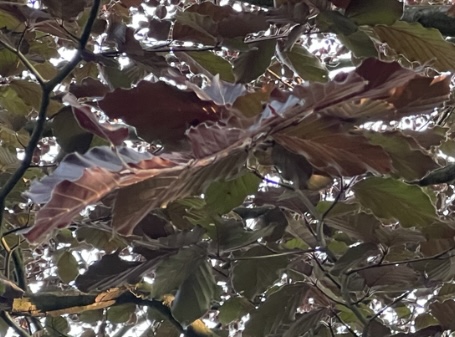
Walking through the garden this week, I found myself looking twice at the trees — leaves curling at the edges, patches of brown spreading through the canopy, the ground already scattered, as though the calendar had slipped forward into September without asking.
We call this a “false autumn,” and after such a long, dry summer, it’s easy to see why the landscape has borrowed autumn’s colours early. But the closer I looked, the less sure I was that colour was the whole story.
I noticed it first while collecting leaves for eco-printing. At this time of year, I expect them full of moisture, supple enough to leave a clear impression on paper. Instead, many were already dry and brittle, curling before I’d even picked them, and they didn’t speak of autumn so much as of a summer that had asked too much.
Nature, it turns out, keeps more than one calendar. Heat can push fruit and berries to ripen early, and drought can force a tree to shed leaves simply to conserve water, but the other markers of autumn are still waiting in the wings. Birds prepare for migration by the shortening of days, not by heat or thirst, and the reds and golds we associate with the season only appear once cooler nights start breaking down the chlorophyll that has held the leaves green all summer.
So perhaps this isn’t autumn arriving early, but summer leaving its mark on the way out. There’s something steadying in that distinction: what looks like an ending may simply be a living thing responding to hard conditions, while the deeper rhythm keeps its own time, mostly unseen, underneath.
It’s a reminder of how easily we mistake appearance for reality. A hurried glance says autumn has come early; a closer look says something quieter — this is heat, and thirst, and endurance. The trees aren’t announcing a change of season. They’re telling us what they’ve survived.
Sometimes attentive wondering starts with swapping one question for another — not what season is this, but what is this living thing responding to?
