An essay on anxiety, atmosphere, and the kind of steadiness that helps in uncertain times.
Lately, I have been aware of something that moves quietly beneath many conversations with young people, something that does not always come into language but can often be felt in posture, in breath, in the way attention drifts and returns.
Many teenagers and young adults are carrying a background fear about war. Not always as a clear thought, and not always as something they can easily explain, but as a low, persistent unease that settles in the body and colours the way the future is sensed. For some, this fear gathers around the idea of conscription, of being taken suddenly out of the life they know and placed into a future that feels stark and narrowing. For others, it takes a form that is closer still: the fear of war arriving where they live, altering the ground of ordinary days.
Often, what troubles them most is not only the risk to their own safety, but the imagined loss of what makes life feel held. The fear of being separated from family and friends, of losing touch with the small, familiar rhythms that anchor them, of having to leave behind animals they love and care for, whose presence quietly structures the day. These are not abstract fears. They are intimate ones. They belong to kitchens, footpaths, shared meals, the dog waiting by the door.
They have seen images of places that once looked ordinary, streets not unlike their own, suddenly stripped of familiarity. Homes emptied. Gardens abandoned. Animals carried awkwardly in arms or crates. And the nervous system, which is shaped by pattern rather than logic, does not register these scenes as distant events. It receives them as something that could happen here.
So the fear does not usually arrive as a single dramatic thought. It arrives more subtly, as a tightening, as disturbed sleep, as a difficulty settling into stillness, as a sense of listening for something that has not yet appeared. What weighs on them is not only what they imagine, but how closely they have begun to live inside those imaginings, as if the mind’s images deserve the same trust as the world directly in front of them.
Whether these outcomes are likely is, in a way, secondary. An anxious nervous system does not orient itself by probability. It orients itself by atmosphere. By the felt sense of whether the world is a place that holds, or a place that threatens to give way.
And the atmosphere many young people are growing up in is thin on refuge. News moves without pause. Futures are narrated almost exclusively through urgency and collapse. There is little encouragement to notice what remains steady: the repeatable seasons, the reliability of dawn, the ordinary persistence of living things continuing to grow, sleep, return.
Many of us who are older lived with fears too. There were nuclear anxieties, economic uncertainties, shadows that accompanied our growing up. But there were also more unclaimed hours, more stretches of time spent outdoors or absorbed in ordinary life, where the mind could loosen its grip and the future did not press so insistently against the present.
What young people seem to need now is not for their fears to be argued away, and not for reassurance to be layered on too quickly, but for contact with steadiness. With adults who are able to stay grounded while uncertainty passes through the room, who do not turn away from fear, but also do not let it set the tempo.
Sometimes this steadiness sounds very simple. It sounds like naming what is actually here. The room. The light. The weather. The familiar presence of others nearby. It sounds like saying, quietly and without emphasis: yes, the world feels unsettled, and you are safe right now. We can stay with this moment.
Sympathy, in this sense, is not indulgence. It is a form of regulation. One nervous system offering its calm to another, the way a landscape does, not by instruction, but by remaining.
For those of us who live or work alongside young people, whether as parents, teachers, managers, or colleagues, it may help to recognise that this fear often travels beneath the surface of ordinary competence and conversation. It may not be spoken directly, and it may not interrupt daily functioning, but it shapes how the future is held and how the present is inhabited.
In our homes, in classrooms, and in workplaces, do young people encounter haste and abstraction, or do they encounter something slower, more human, more able to be lived in? A pace that allows breath to return. An attention that does not rush ahead of what is actually here.
For those of us who employ younger adults, it may be worth asking, gently and without drama, what steadiness feels like in the places we shape each day, not as a policy or a prediction, but as an atmosphere. And whether that quiet continuity might already be doing more than we realise.
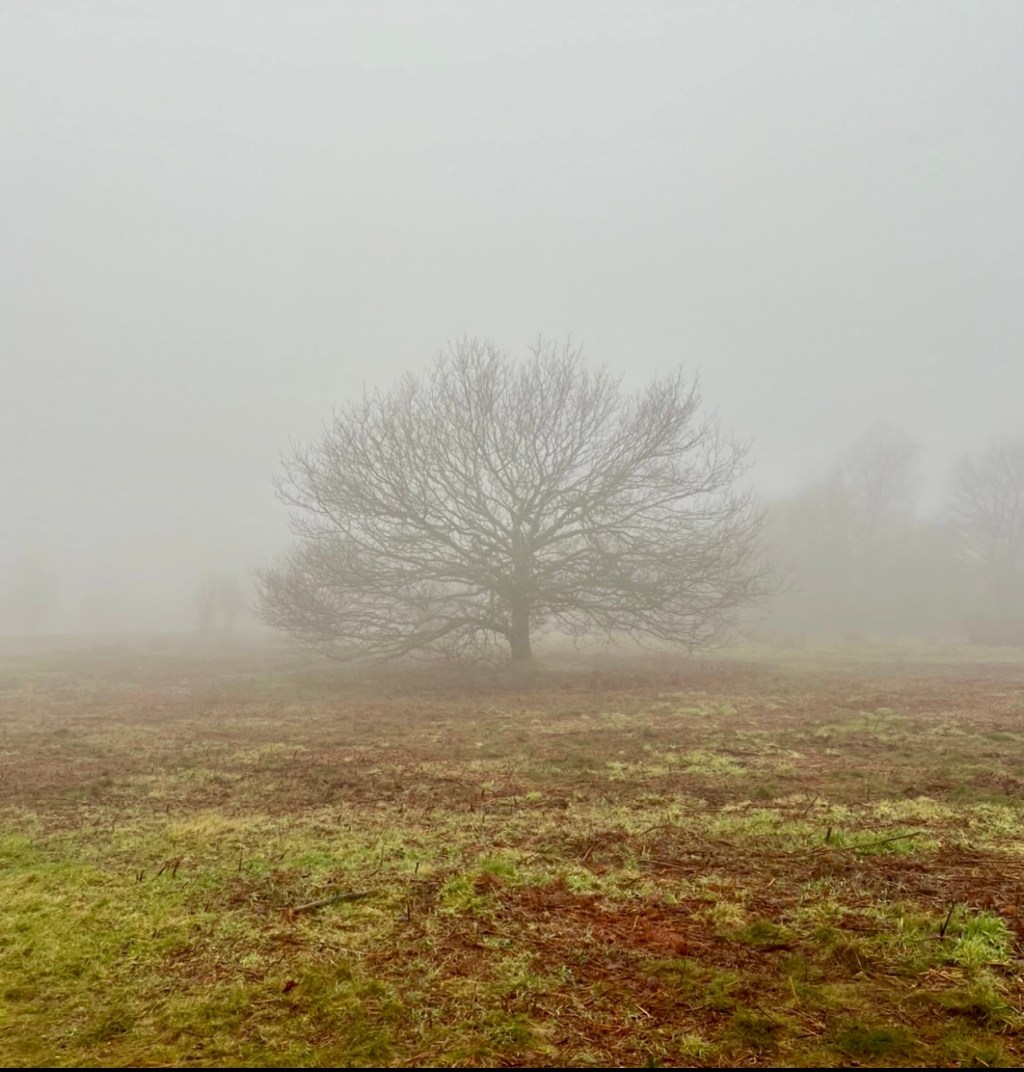
 Nature Speaks
Leave a comment