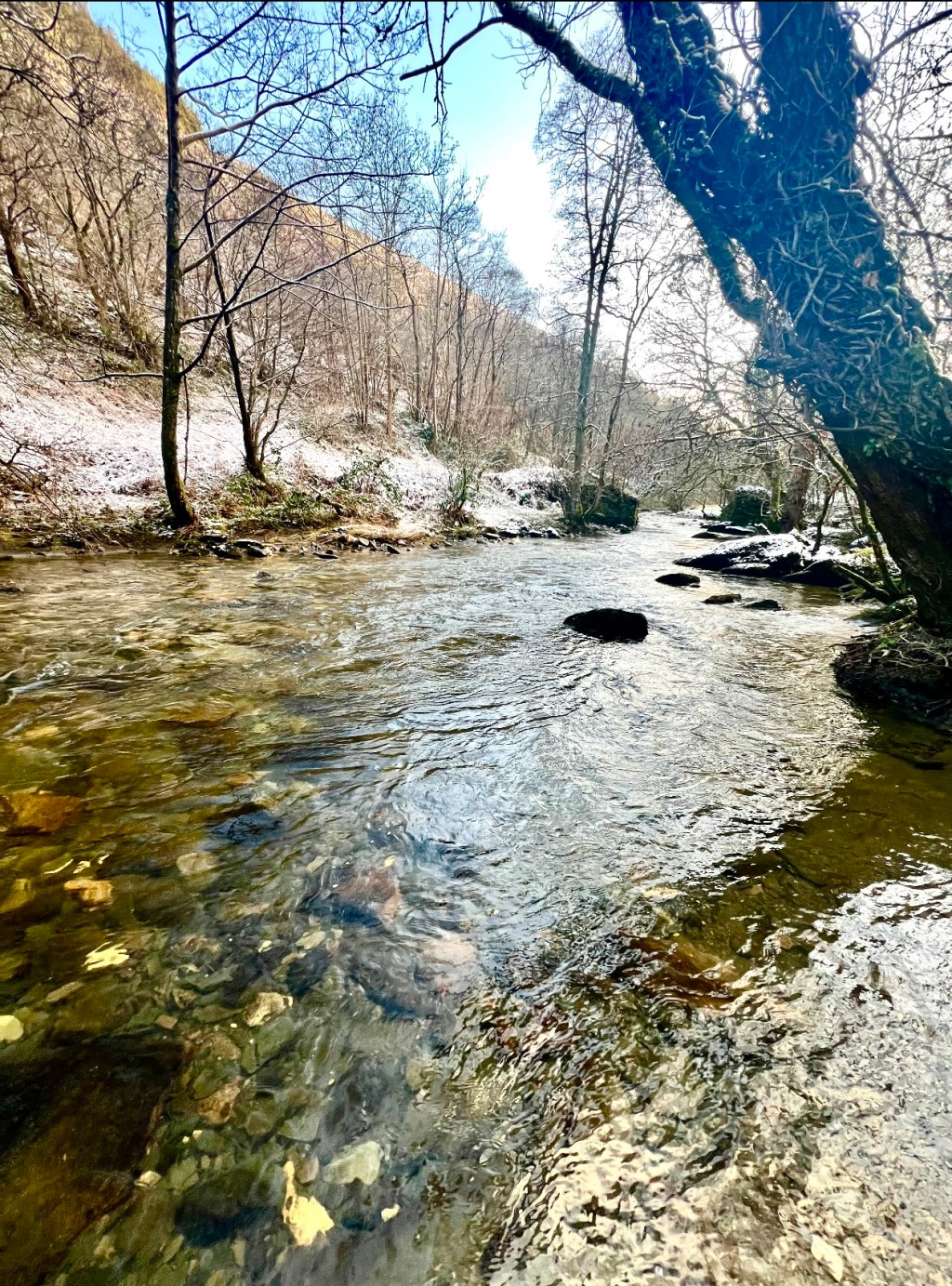
There are moments when the world grows larger than our thoughts. We may be standing still, yet something opens. The mind loosens its grip, not because we force it to, but because it cannot quite keep up. Awe often begins like this: not as excitement, not as insight, but as a slight unseating of the familiar.
We tend to associate awe with the extraordinary: a vast landscape, a powerful birth, a work of art that stops us mid-step. And yet, when we look more carefully, awe does not require spectacle. It requires attention. It appears when we allow ourselves to be exceeded by what we are witnessing, whether that is a night sky, a child absorbed in play, or the quiet persistence of wind moving through leaves.
In awe, something subtle happens to the sense of self. It does not vanish, but it steps back. The inner commentary softens. The body registers the moment before the mind names it. Breathing deepens without instruction. Time loosens its edges. For a brief interval, we are not measuring ourselves against anything. We are simply here, part of what is unfolding.
This is why awe can feel restorative. Not because it solves our difficulties, but because it rearranges our perspective. When we are held by something larger than our own concerns, those concerns do not disappear, but they take up less space. The nervous system settles. The body remembers how to be present without bracing. We glimpse, if only briefly, that our life is woven into a much wider fabric than our daily worries suggest.
Awe does not demand understanding. In fact, it often arrives precisely when understanding fails. When language pauses. When explanation feels unnecessary. This is not ignorance, but humility. A willingness to let experience come first. To accept that not everything meaningful needs to be grasped or mastered.
We cannot command awe, but we can make ourselves available to it. By slowing down. By noticing what we usually pass without seeing. By allowing moments of beauty, kindness, or vastness to reach us before we turn away. Distraction is not the opposite of awe; hurry is. Awe asks only that we stay a little longer than usual.
Over time, these moments leave traces. A slightly softer way of meeting the world. A gentler relationship with our own thoughts. A growing sense that we belong not because we are exceptional, but because we are connected. Awe reminds us that we are not alone inside our experience, and that life, when attended to, is quietly larger than we imagined.
The wild remembers. So do you.
 Nature Speaks
Leave a comment