I remember the first time I opened The Living Mountain. Within a few lines, I felt something shift – like stepping off a familiar path into a clearing I had never noticed before. Nan Shepherd wasn’t simply describing the Cairngorms; she was listening to them, dissolving the boundary between human and mountain until both seemed part of the same breathing whole.
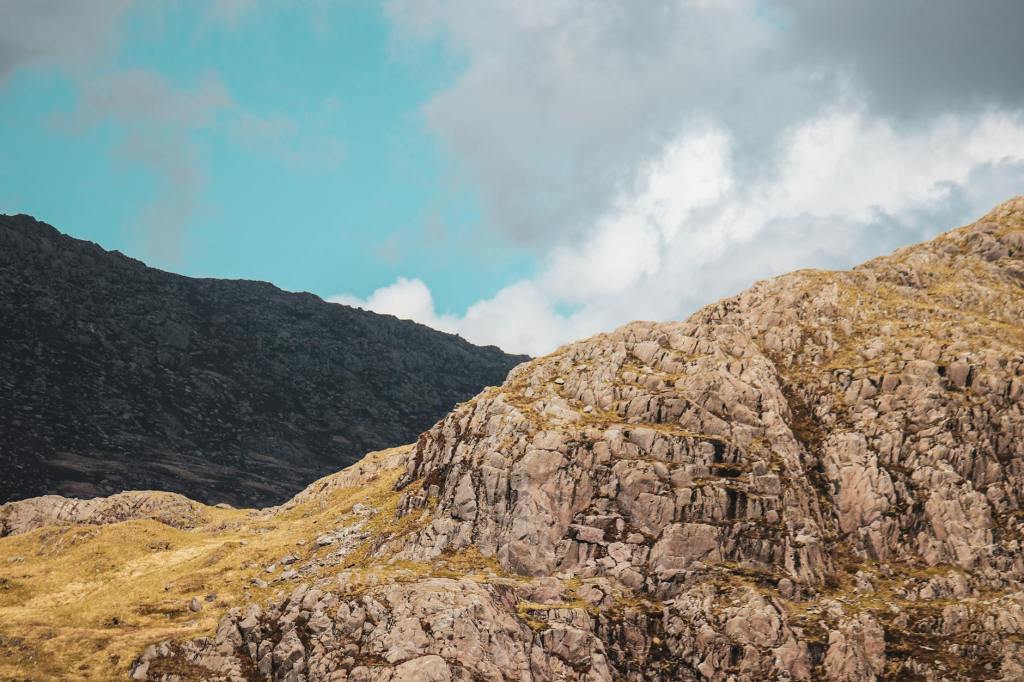
I used to walk often in the Cairngorms, and the memory returns as I read her words. The climb would begin in the hush of the pines, where the air smelled of resin and damp bark. Higher up, the trees would thin, and the wind would arrive – sudden, insistent, pressing against the chest. The ground was springy with heather, then rough with stone, sometimes laced with the brightness of water running fast and hidden beneath snow. There was a silence there that was never still, always alive with the trickle of streams, the quick shadow of a ptarmigan breaking cover, the far cry of a curlew. The hills seemed both immense and intimate, holding you in their vastness while placing small wonders at your feet. Shepherd’s words draw me back into those sensations, but with a sharper clarity, as if she had found a way to tune herself to the mountain’s own frequency. Reading her is like returning with another sense awakened.
Written in the 1940s but kept in a drawer for more than thirty years, this slim book contains a lifetime of devotion. Shepherd does not climb to conquer, or to claim a summit, but to attend. Her focus is on moss underfoot, on the way light shifts as cloud drifts across granite, on astonishment that never quite fades no matter how often one returns. She teaches us, almost without saying it, that to pay attention is to belong.
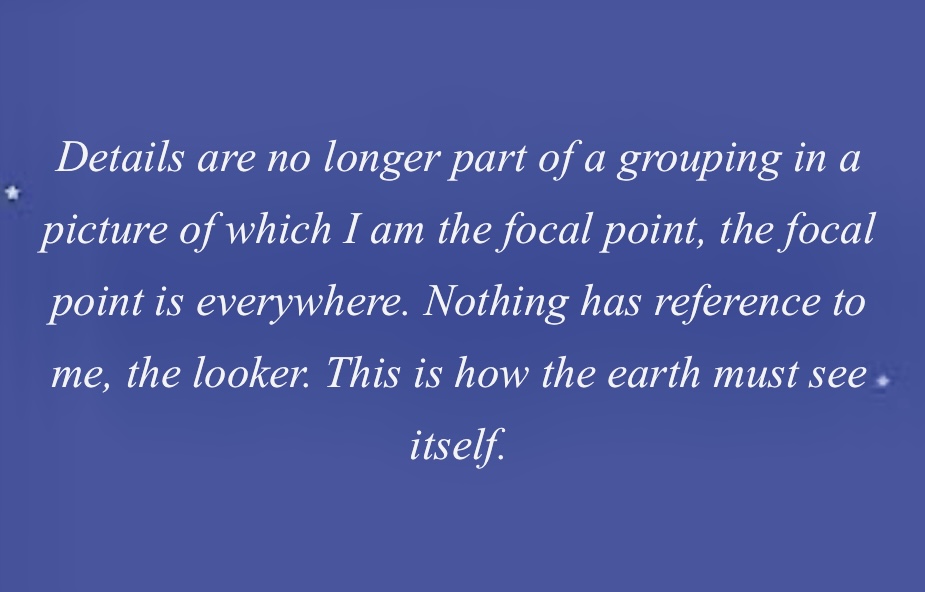
Her sentences are as clear and bracing as a mountain stream. At one moment, she lists alpine flowers with the precision of a botanist – “birdsfoot trefoil, tormentil, blaeberry” – and at the next, she dissolves perspective itself: “The focal point is everywhere. Nothing has reference to me, the looker. This is how the Earth must see itself.”
Reading her is like entering a different state of mind. She shows how wonder is not something we extract from the world, but something the world offers when we stand still long enough to receive it.
At just over a hundred pages, The Living Mountain is not long. And yet, like the hills themselves, it feels inexhaustible – revealing something new with every return. Robert Macfarlane has said, “I read it, and was changed.” That is the quiet power of this book: it changes how you see, not by enlarging the world but by deepening it.
For anyone seeking to reconnect with the more-than-human, to recover the art of attention, The Living Mountain is not simply a book to read. It is a book to walk with.
 Nature Speaks
Leave a comment