
“Diseases desperate grown,
By desperate appliance are relieved,
Or not at all.”
– Hamlet, Shakespeare
Shakespeare spoke of illnesses so deep that only a radical remedy could heal them. Our relationship with the world feels like such an illness.
We have learned to see nature as lifeless and mechanical, as if the earth were only a storehouse of things for us to take. In doing so, we have forgotten its mystery, its living presence.
And yet – this forgetting is not final. The possibility of remembering remains. Even when our vision grows narrow, the world itself continues to breathe, to flower, to sing. The streams still run clear in places. Birds still return each spring. Wildness still waits at the edges of our days.
Iain McGilchrist observes that our culture has become entranced by a narrow, manipulative way of thinking. But he also reminds us that another way of seeing is still available – one that is spacious, intelligent, and whole. This way of seeing has never left us. It is quiet, but it waits.
So perhaps there is hope. Not in fixing everything at once, but in remembering how to look, how to listen, how to live as if the world were alive – because it is.
When we pause, breathe, and soften, even for a moment, the surface begins to thin. Depth returns. The abyss is not only an emptiness. It is also a mystery that sustains us.
The wild remembers. So do we.
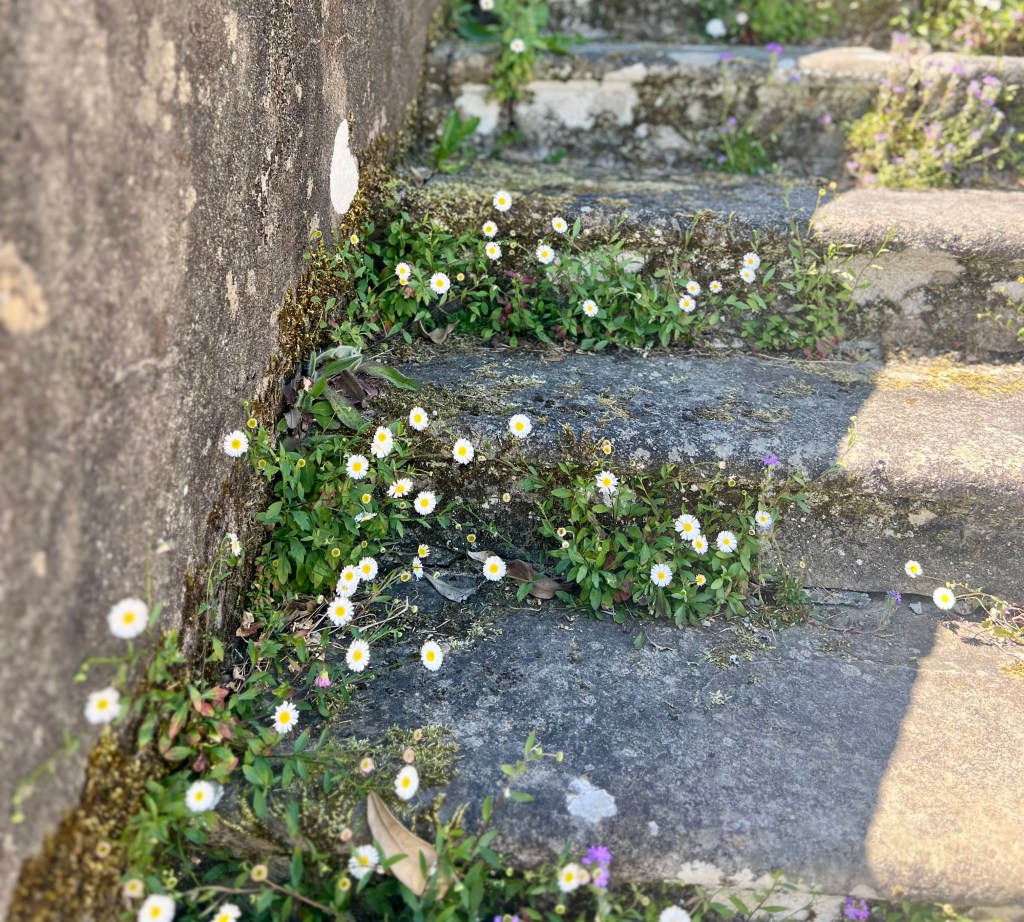
 Nature Speaks
Leave a comment