
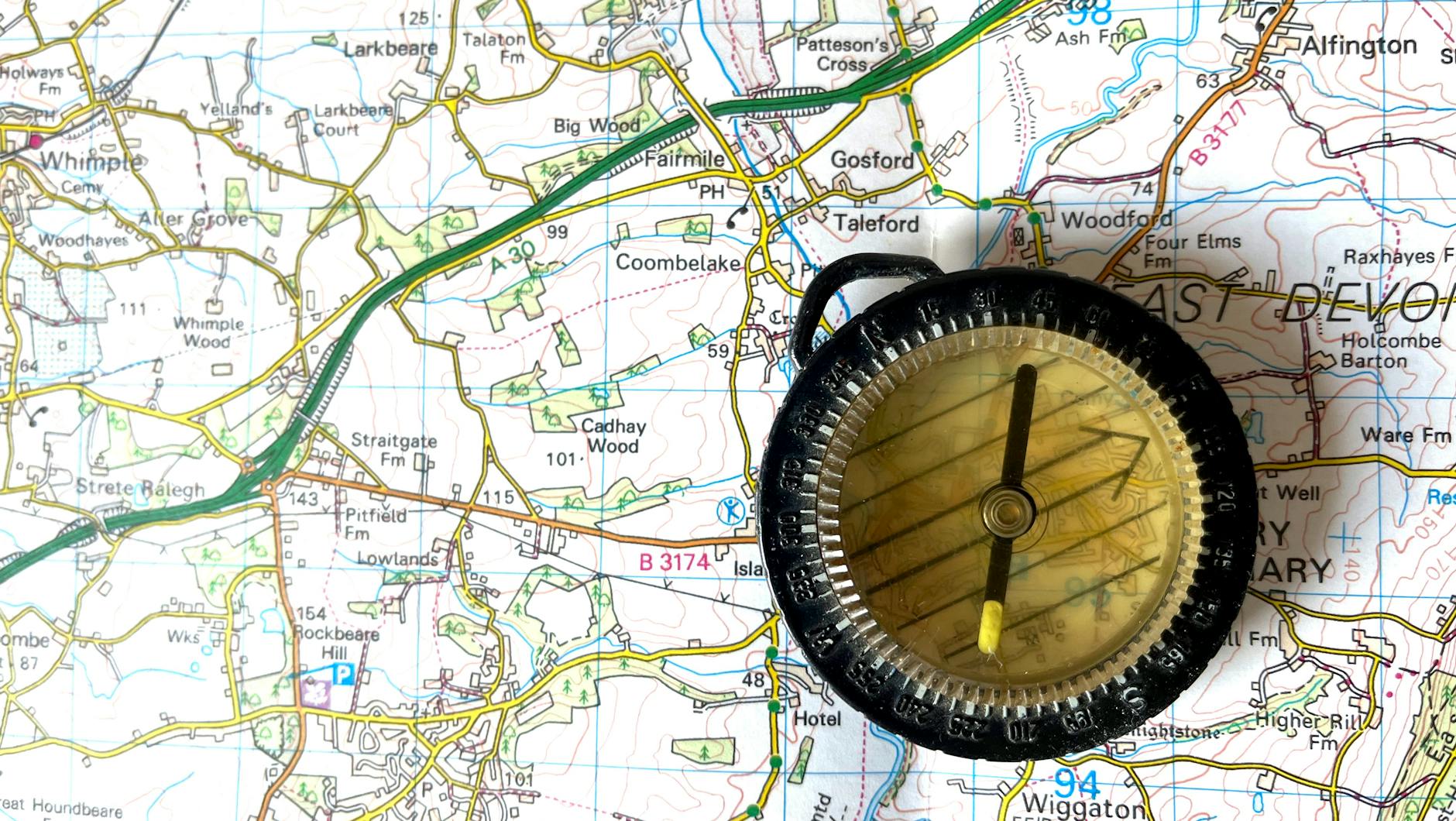
“Maps are for planning; mountains are for living.”
There is a quiet that follows great noise. The fanfare fades, the metrics flatten, and what remains is the soft click of insight. After GPT-5, many who once wrote with high gloss now sound different: a little disappointed, a little deflated, and, perhaps most usefully, a little more honest about Gary Marcus, the perennial gadfly who kept saying what few wanted to hear.
Large language models are astonishing pattern engines, not minds. They predict the next likely word from an ocean of text. The results feel fluent; they can be helpful and even delightful. Yet fluency is not depth, and mimicry is not mind. Some of the grand claims about general intelligence lean on wishful seeing, mistaking a polished surface for a living interior.
We have been here before. In the age of expert systems, when symbolic rule-stacks looked like the future, philosopher Hubert Dreyfus kept pointing to what the diagrams left out. Intelligence, he argued, is embodied and situated, soaked in context. You learn a bicycle by being a body in motion, not by consulting a manual of propositions. For saying so, he was mocked, then ignored, then, slowly, read again.
Gary Marcus stands in that lineage of realists. He is not against tools; he is asking the practical question: what are these systems good at, and where are they brittle? Perhaps we need hybrid models. Perhaps we need older ideas refurbished. Perhaps we need a new frame entirely. Whatever the path, the larger lesson remains: disembodied systems struggle to see the living whole that human beings inhabit without effort.
Here the psychiatrist-philosopher Iain McGilchrist offers a clarifying lens. The deepest difference between the brain’s hemispheres, he suggests, is not what they do but how they attend.
The right hemisphere meets reality as living, particular, and changing; it keeps context alive and notices meanings that do not sit neatly on a grid. The left hemisphere gives us grip: it breaks wholes into parts so we can label, sort, and manipulate. It builds the map. This is vital. You cannot plant a forest without a plan; you cannot program a machine without abstractions. Yet clarity bought at the price of depth misleads. The world is trimmed to what fits the table. What does not fit is called noise.
Both ways of seeing are needed, though not in equal measure. First the right discloses the living world; then the left sketches a workable plan; then the right returns to read that plan in the light of the whole. When the circle breaks and the map forgets the mountain, we drift into clever blindness: we speak with confidence while missing what matters.
So where does this leave us with our dazzling machines. Perhaps here: grateful for their speed, honest about their limits, and careful not to confuse a smooth sentence with a seeing mind. Tools can help us, and often do. They should not tell us what a person is, what a forest is, what love is for.
“Fluency is not depth. Mimicry is not mind.”
A gentle practice for the week
- Use the map, then step outside. Let the living world correct your plan: weather on your face, bark under your palm, a friend’s voice reshaping the day.
- When a result is crisp, ask what was cropped. Precision is helpful; notice what fell off the edges to make it so.
- In conversations about intelligence, remember the body. Touch, listen, watch water move; feel how knowing has weight and warmth.
- Keep wonder in play. If a tool narrows your circle of care, widen it by hand.
The season is turning. Dew silvers the grass as a light breeze threads the birch. Somewhere, a model completes a sentence with perfect poise. Somewhere else, a robin lands, tilts its head, and changes your day in a way no token stream could predict.
“The wild remembers. So do you.”
Read the companion article The Ecology of Belonging here
 Nature Speaks
Leave a comment