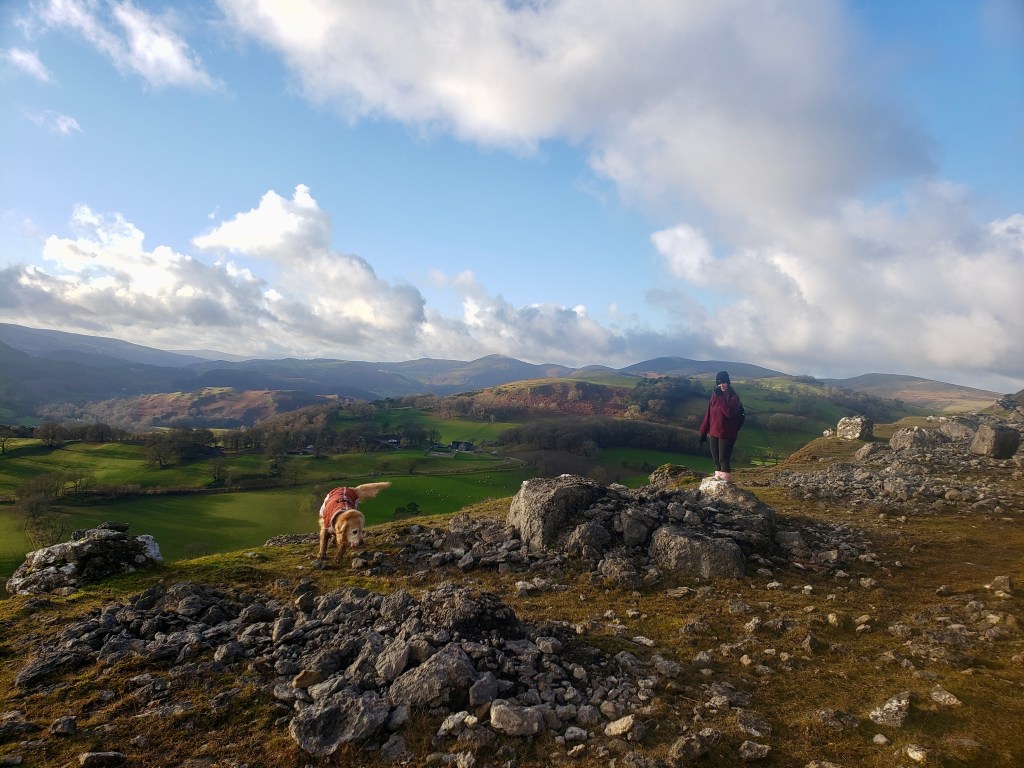
The word future often arrives dressed in unease. Headlines carry stories of vanishing forests, melting ice, the unravelling of life. And yet, step into a meadow, pause beside a tree, and you encounter another story – one that doesn’t read the news.
Catkins loosen into the wind regardless of predictions. The robin sings though no one has asked it to. Lambs stumble forward into life, awkward, luminous. The world, in its smallest gestures, contradicts despair.
Sometimes it is enough to see one small thing carrying on: the ant hauling its crumb, the violet opening in shadow. Continuity hidden inside fragility.
Ralph Waldo Emerson observed: “Though we travel the world over to find the beautiful, we must carry it with us or we find it not.” Beauty is not absent; it waits, patiently, for our attention.
Rachel Carson, whose voice steadied a century, wrote that those who contemplate the earth find “reserves of strength that will endure.” And Iain McGilchrist adds: “The kind of attention we pay actually alters the world we find.” To look with care is not passive. It is creative. Our gaze helps to shape the reality that gazes back.
On Change
We often meet change as a threat. But nature teaches us that change is rhythm.
Heraclitus whispered long ago that all things flow. The leaf that falls is not failure; it is the beginning of soil. The river that floods does not only destroy – it lays down the silt where next season’s reeds will root.
We forget that permanence is an illusion. The mountain too is moving, only on a slower scale.
Carl Jung believed that creation begins not with reason but with play – the instinct that lets us stumble into newness. Change, then, is not simply loss but imagination at work.
McGilchrist might say: when our attention is narrow, fixed on control, change appears as threat. When our attention is open, relational, it appears as possibility.
Happiness, or the Art of Attention
Albert Einstein suggested there are two ways to live: as though nothing is a miracle, or as though everything is.
To see everything as miracle is not to deny difficulty – it is to notice what persists within it. The unfurling fern. The sudden flash of a kingfisher. The warmth of a friend’s voice across silence.
Simone Weil called attention “the rarest and purest form of generosity.” To attend – to a bird’s song, to trembling poplar leaves, to the presence of someone beside you – is already to give thanks. And gratitude, repeated in small daily gestures, becomes a quiet form of happiness.
McGilchrist reminds us that our attention is not only a way of seeing the world but a way of making it. When we attend with wonder, the world reveals itself as wonder. When we attend with grasping, it shrinks.
Happiness, then, is not possession but perception. A shift in gaze.
A Shared Future
Hope is not a mood but a practice. It is the small daily act of tending rather than despairing. Planting. Listening. Mending.
Wendell Berry reminds us: “The earth is what we all have in common.” To care for the earth is to care for each other.
And here, too, attention matters. What we notice, we protect. What we honour with our gaze, we carry forward. The future is built not only with grand designs but with this humble discipline of noticing and tending.
Perhaps the truest activism is to love the world attentively. For what we love, we do not abandon.
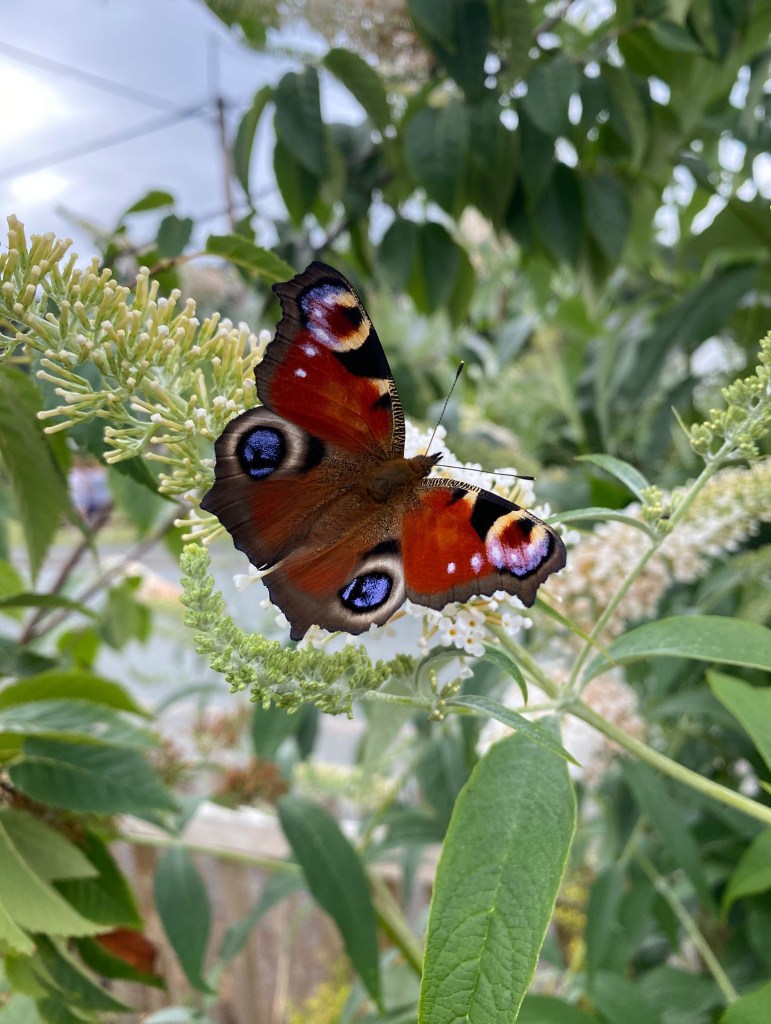
The wild remembers. So do you.
 Nature Speaks
Leave a comment