Sometimes we forget that the world is alive. We move through it in a rush, our senses dulled by screens and schedules, our attention fragmented. Yet the natural world still waits for us, patient and persistent, offering lessons to anyone willing to notice. As Rachel Carson reminds us, “If a child is to keep alive their inborn sense of wonder, they need the companionship of at least one adult who can share it.” Perhaps this is true for all of us, at any age.
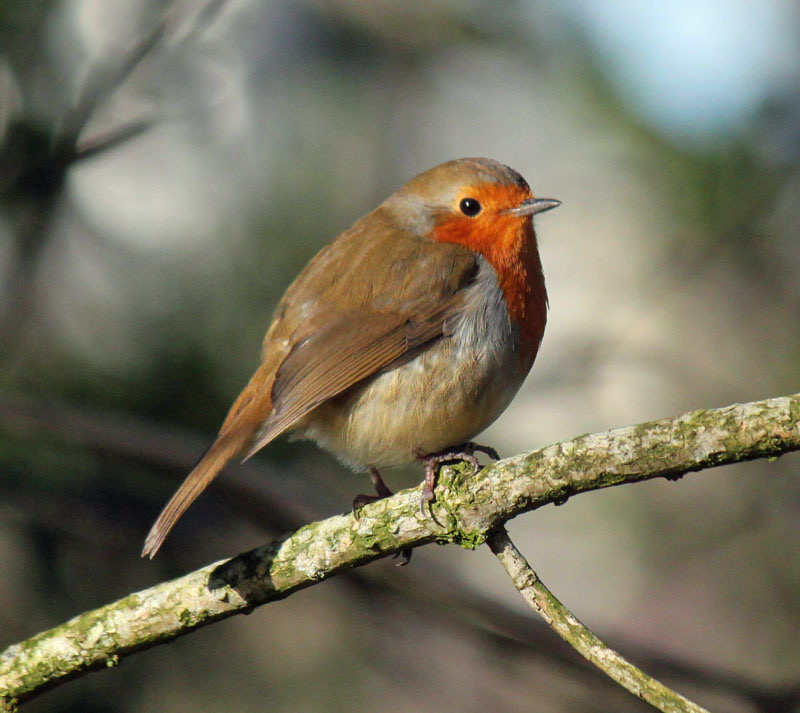
I remember standing beneath an old oak one late afternoon. The wind whispered through its leaves in uneven rhythms. At first, I was aware only of my own restless thoughts, the unfinished lists, the flickering worries. Then a robin landed nearby, tilting its head in a way that seemed to ask if I was listening. And I began to listen – not just with my ears, but with my entire being. The air vibrated with life: the hum of a distant bee, the soft rustle of last year’s leaves, the slow cadence of my own breathing. In that quiet, I felt a sense of belonging, a subtle recognition that we are part of this world, not separate from it.
“We do not inherit the Earth from our ancestors, we borrow it from our children,” a Native proverb observes. In noticing the small and the ordinary, we are reminded of this shared responsibility. Every living thing carries a kind of intelligence: the fox who navigates the edge of the forest, the plants that bend toward the sun, the wind that shapes the landscape. Modern life often leaves us blind to this subtle wisdom, yet it is always present, waiting for us to awaken to it.
Science, too, affirms the value of such moments. Even brief experiences of quiet in nature engage the brain’s attention and restorative networks, linking memory, imagination, and intuition. Stress softens, the mind slows, and a hidden curiosity begins to stir again. These are not luxuries; they are opportunities to reclaim something we have always known.
As John Muir wrote, “In every walk with nature one receives far more than he seeks.”
It is not through grand adventures or elaborate rituals that we rediscover our wildness, but through presence. Standing by a stream and feeling the cool weight of water over stones, noticing the flight of a bird overhead, listening to the rustle of leaves, feeling the rough bark beneath our fingertips, watching the slow unfurl of a bud – these are invitations from the living world to remember, to belong.
Thomas Berry reminds us, “Teaching children about the natural world should be treated as one of the most important events in their lives.” And it is not only for children. These moments of attention restore adults too. They reconnect us with the living world, and with the parts of ourselves we have left unattended – curiosity, sensitivity, and the quiet courage that knows how to listen.
Perhaps this is the deepest lesson nature offers: belonging is not something to earn, but to remember. We cultivate attentiveness, wonder, and humility simply by opening ourselves to the world, by walking slowly, breathing fully, and noticing what has always been there.
The wild remembers. So do you.
 Nature Speaks
Leave a comment