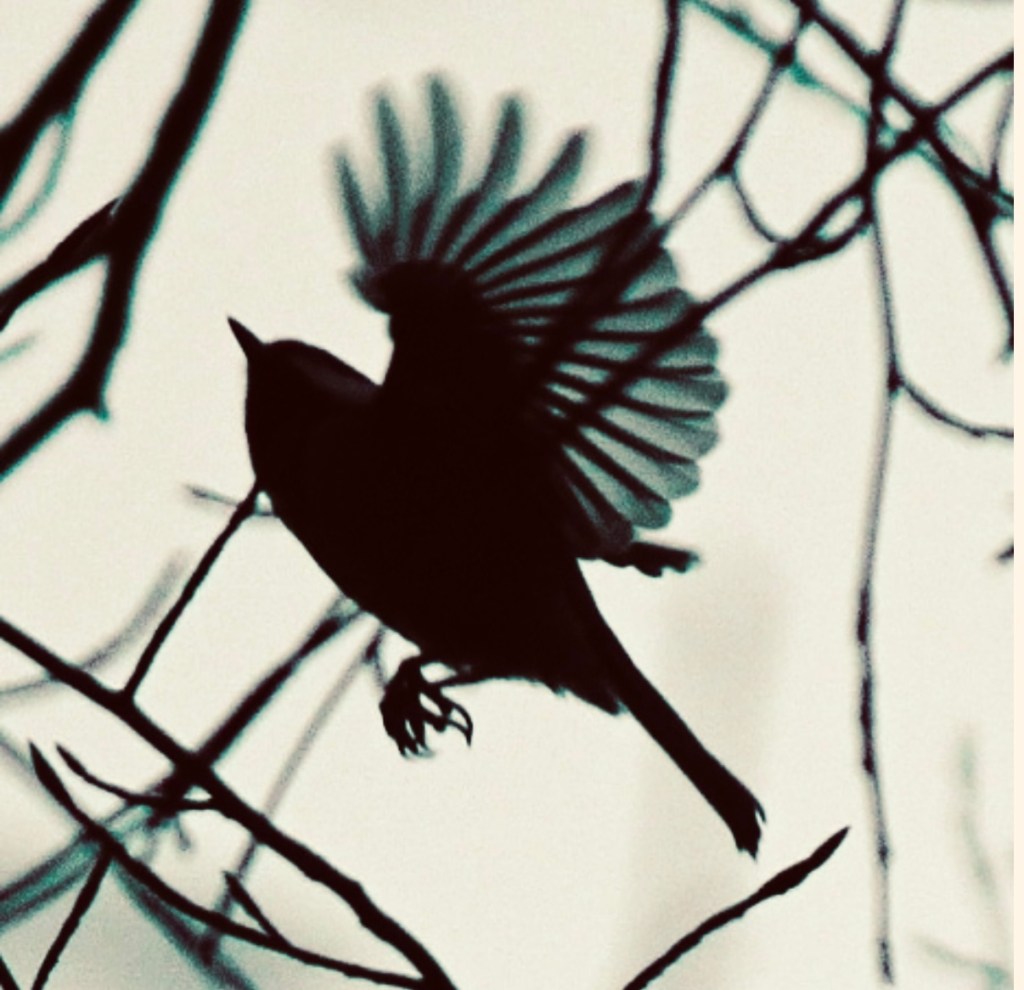
What a single feather can teach us about hope, resilience, and belonging to the weave of life.
The Lightness of Feathers
When you next come across a feather, hold it in your hand.
Blow on it and let it drift back to the ground.
Notice how light it is – how easily it belongs to the air.
The feather is unique to birds, yet it carries a universal invitation: to marvel.
It is both fragile and strong, delicate and resilient, practical and mysterious.
The Quiet Miracle of Design
A feather is a marvel of natural engineering: a hollow shaft that keeps it light yet strong, hundreds of barbs branching into smaller barbules, each lined with tiny hooks that knit the feather into a supple, unbroken surface.
Should it fray, the bird simply runs its beak along the vane, and the feather “zips” itself back together. What human technology can match such grace?
Rachel Carson once observed: “Those who contemplate the beauty of the earth find reserves of strength that will endure as long as life lasts.” The feather, in its everyday miracle, is such a reserve.
Feathers and Flight
Feathers allow the bird to rise, to lift from the earth into open sky.
Some are waterproofed with oil, shielding against rain. Others, lacking hooks, become down – soft layers of insulation, warmth against the cold.
Emily Dickinson wrote: “Hope is the thing with feathers that perches in the soul, and sings the tune without the words, and never stops at all.”
And Rainer Maria Rilke reminds us: “The only journey is the one within.” In the feather, we glimpse both: the soaring outward flight and the inward invitation to lightness.
The Feather as Symbol
Writers once prized feathers as quills. The hollow shaft became a vessel for ink – turning the bird’s instrument of flight into humanity’s instrument of thought. With feathers, ideas have flown across centuries.
John Keats, writing of the nightingale, touched this same mystery: “Thou wast not born for death, immortal Bird! No hungry generations tread thee down.” The bird, through its feathered body, becomes a symbol of continuity, of song passed beyond time.
An Invitation to Mystery
The creative evolution that brought feathers into being is astonishing. Nothing we build—no carbon fibre, no machine – can improve upon it.
Leonardo da Vinci, who studied wings and feathers endlessly, wrote: “Once you have tasted flight, you will forever walk the earth with your eyes turned skyward.”
When you hold a feather, you hold a fragment of the wild intelligence of life itself.
It is a reminder that we are immersed in mystery, participants in a vast and intricate emergence. We, too, are branches of this great unfolding.
Take a moment, next time a feather crosses your path.
Hold it.
Blow on it.
Watch it float down again.
And perhaps the feather’s greatest teaching is this: that strength and softness are not opposites, but companions – reminding us that to move lightly through the world is also a form of wisdom.
 Nature Speaks
Leave a comment